Ideas / Arguments / Machines / ActionFrom Aristotle
From Aristotle
to AI agents.
How do we assess an argument? When does an answer become credible? And what happens when that answer gains access to tools? Explore the connections, test the assumptions and follow information into action.
Five views with clickable nodes, typed relationships and practical experiments. English explanations, original sources and open graph data.
2 300+years of selected questions
74 / 111nodes / relationships
5maps and labs
Click a node or arrow. Select nodes with Tab and Enter. On a small screen, scroll the map horizontally. The same relationships are available as buttons in the detail panel.
All concepts in this view
Five ways to read the same questions
- The whole map: arguments, AI systems, possible consequences and controls.
- Aristotle to AI: historical connections, formalization and modern architectures.
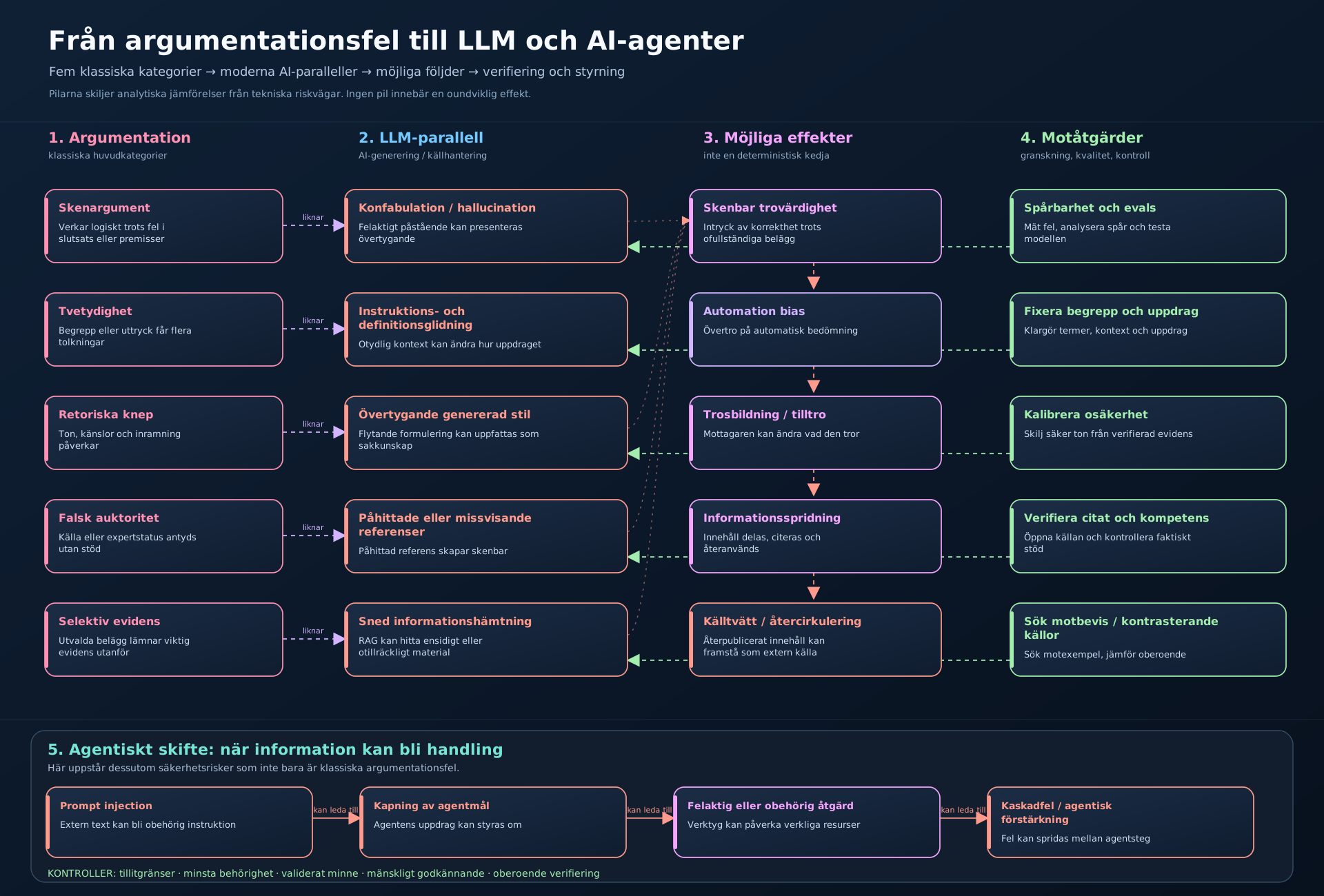
- Fallacies and LLMs: analytic analogies and their limits.
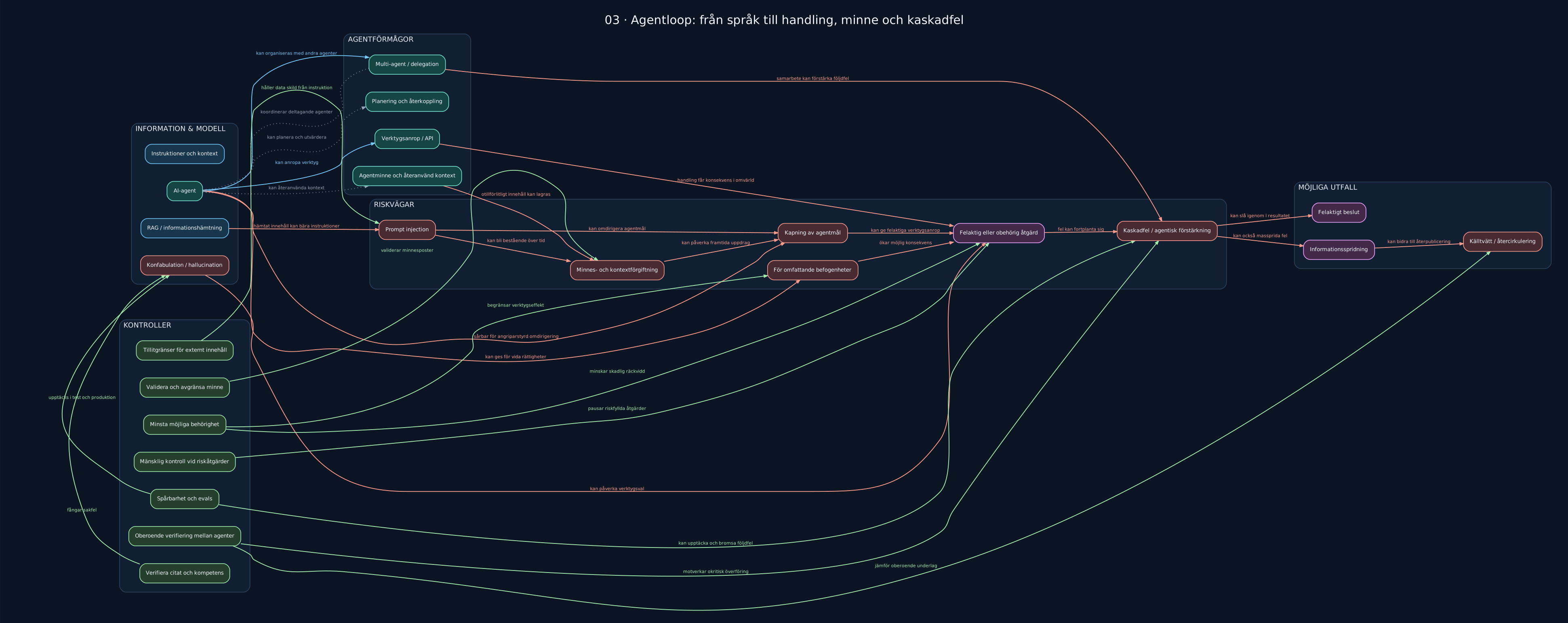
- Agent chains: memory, tools, risks and control points.
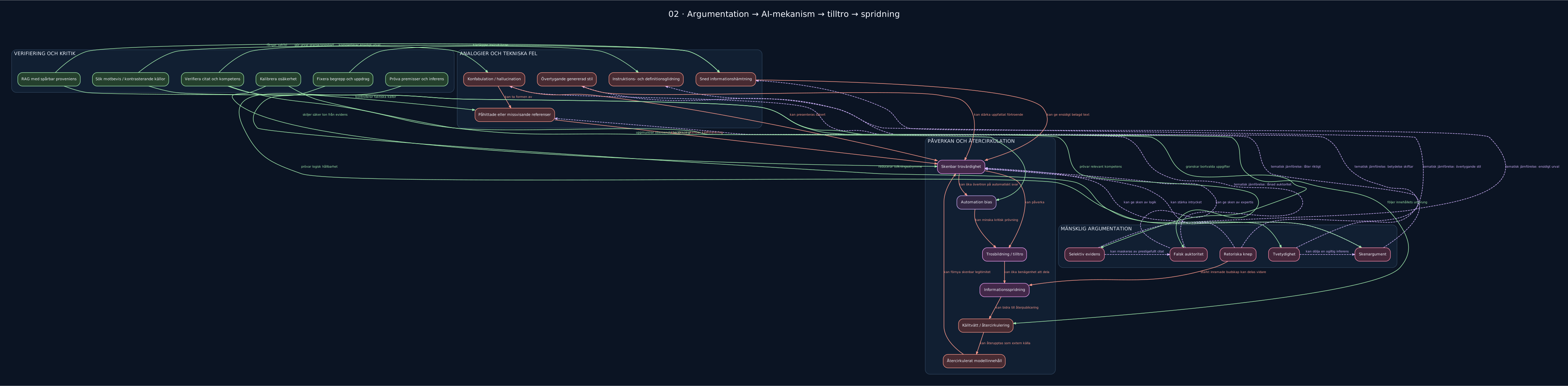
- Interaction and circulation: how weak evidence can acquire apparent legitimacy.
The interactions require JavaScript. The original maps and graph data below can still be read and downloaded without JavaScript.
How to read the map
This is a source-oriented teaching model. Chronology does not itself establish cause. An analytic analogy compares phenomena. A risk arrow describes a possible mechanism without a measured probability. Controls may reduce risk without guaranteeing truth.
The five argument categories form a modern thematic grouping. Human fallacies, model generation errors and prompt injection have different mechanisms. Rhetoric can be used well, and an incorrect model answer does not imply intent.
The 74 nodes and 111 relationships come from the material dated 1 November 2026. The original grounding labels are shown as inherited assessments. Selected primary sources were checked on 3 November; this is not a new verification of every historical relationship. The fifth view and the five experiments were added on 3 November.
Sources, origins and open data
Primary texts, research papers and guidance are listed for each concept. References inherited only from the original are marked separately.
Download the current English graph (JSON) · Download original Swedish graph data (2026-11-01)
- Swedish original: synthesis map (SVG)
- Swedish original: the path from Aristotle to AI (SVG)
- Swedish original: fallacies to LLMs (SVG)
- Swedish original: agent chains and controls (SVG)

The labs use synthetic examples and deterministic rules. They call no model or external service. The graph's explanations and illustrations form a comparative synthesis.